Why Creative Technology Belongs in Youth Development
Creative technology helps young people turn ideas into something real.
Young people are already surrounded by technology. They use it to listen to music, watch videos, connect with friends, and discover new ideas. The question is whether they will only consume what technology offers, or have meaningful opportunities to create with it.
Creative technology helps make that second path possible. It brings together imagination and practical skill through tools such as coding, app development, digital media, music production, design, and thoughtful use of artificial intelligence. When young people learn to use these tools, they are not simply learning software. They are learning how to turn an idea into something real.
That matters because youth development is about more than preparing for a future job. It is about helping young people build confidence, relationships, curiosity, and a sense of possibility. Creative technology gives those qualities somewhere to grow.
Technology becomes more meaningful when young people can make with it
A young person who builds a simple app, records an original song, creates a short film, or designs a digital graphic is practicing more than a technical task. They are making decisions, testing ideas, responding to feedback, and seeing what happens when persistence meets a clear goal.
This kind of hands-on work can make technology feel less distant. Instead of seeing digital tools as something made by other people, young people begin to understand that they can shape the tools, stories, and experiences around them. That shift from consumer to creator is powerful.
Creative youth development brings this perspective together by connecting arts, sciences, humanities, and youth development principles. It centers young people in project-based learning that is relevant to their lives, while giving them space to build communication, critical-thinking, and relationship skills.1
Projects create a practical reason to learn and keep learning.
For a student who does not yet see themselves as a programmer, designer, producer, or entrepreneur, a real project can be the beginning of a new identity. The first completed beat, first working prototype, or first piece of digital art gives them evidence that they can learn, contribute, and grow.
Creativity makes technical learning personal
Technical learning can feel intimidating when it is disconnected from a young person’s interests. It becomes more inviting when it starts with something they care about.
A music lover may want to learn how to record vocals, mix sound, or create artwork for a release. A young storyteller may want to make video content. A student who notices a problem in their neighborhood may want to design an app that helps solve it. These interests create a reason to learn the technical steps behind the work.
The arts also help young people explore who they are and how they want to be seen. Community-based youth arts programs can create spaces for skill-building, self-confidence, belonging, and supportive relationships with peers and adults.2 Technology can strengthen that process when it is used as a creative medium rather than treated as an isolated subject.
This approach does not mean every young person has to become a technology professional. It means every young person deserves the chance to discover what they can do when creative expression and digital tools meet.
Mentors help turn curiosity into confidence
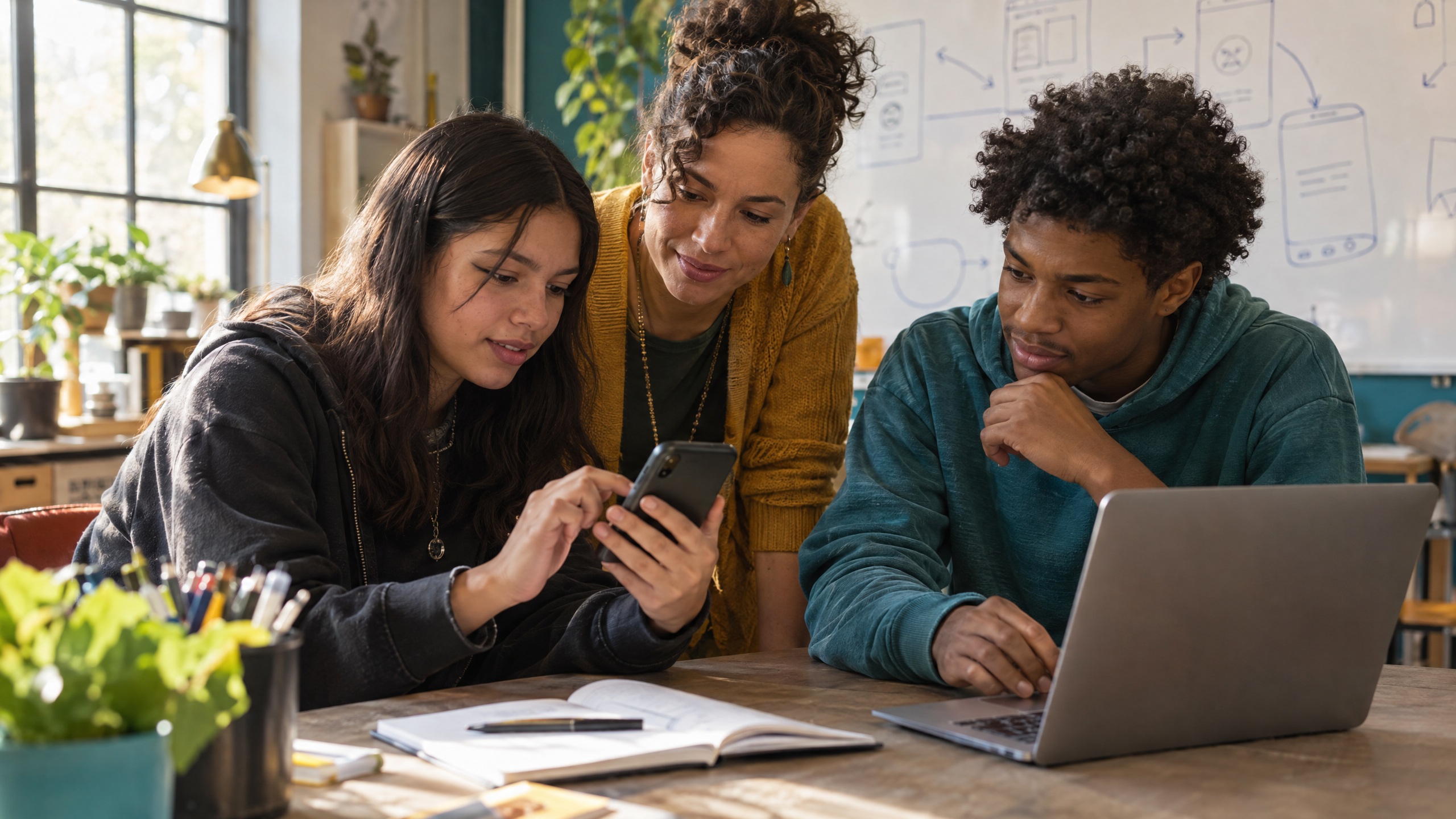
Access to devices matters, but access alone is not enough. Young people benefit when they can ask questions, receive encouragement, and learn alongside people who understand the creative process.
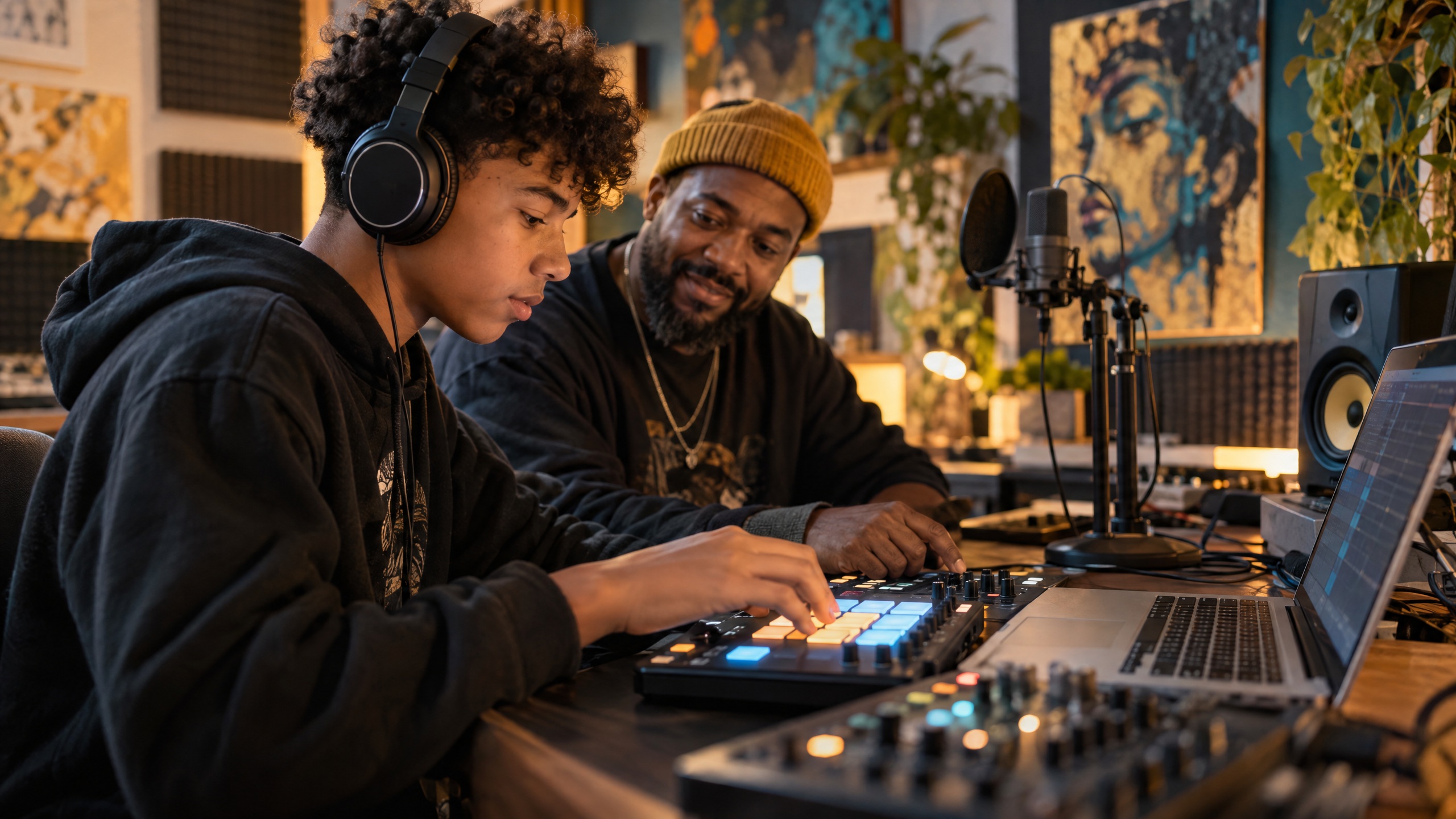
A mentor can show a student how to improve a mix, organize a project, present an idea, or work through a challenge without taking control of the work. That support helps young people see that learning is not about getting everything right the first time. It is about showing up, trying again, and staying connected to the people who want to see them succeed.
Mentorship makes room for questions, practice, and confidence.
Research on digital media and adolescent development also points to the importance of context. Digital experiences can support identity development, peer connection, and autonomy, but the environment around those experiences shapes how young people use and interpret them.3 A welcoming space with trusted adults and peers can make creative technology more purposeful, social, and grounded.
This is why a community learning environment matters. Young people need room to experiment, but they also need people who can help them reflect on what they are making, how they are sharing it, and what it might lead to.
Creative technology builds pathways, not just projects
The strongest creative technology experiences do not end when a workshop is over. They help young people recognize pathways into education, entrepreneurship, creative work, and the technology workforce.
At Raps & Apps, Creative Technology Pathways gives young people accessible, hands-on opportunities to explore coding, app development, digital media, AI and technology platforms, mentorship, and real-world projects. The program connects technical skill-building with creative problem-solving so participants can consider new possibilities for their future.4
Those pathways can look different for every person. One young creator may discover an interest in music production. Another may decide to study design, develop an app idea, or offer digital services as a small business. A third may simply gain the confidence to speak up, collaborate, and pursue an opportunity they once believed was out of reach.
The point is not to prescribe one outcome. The point is to make more outcomes visible.
A future community creative hub can bring people together
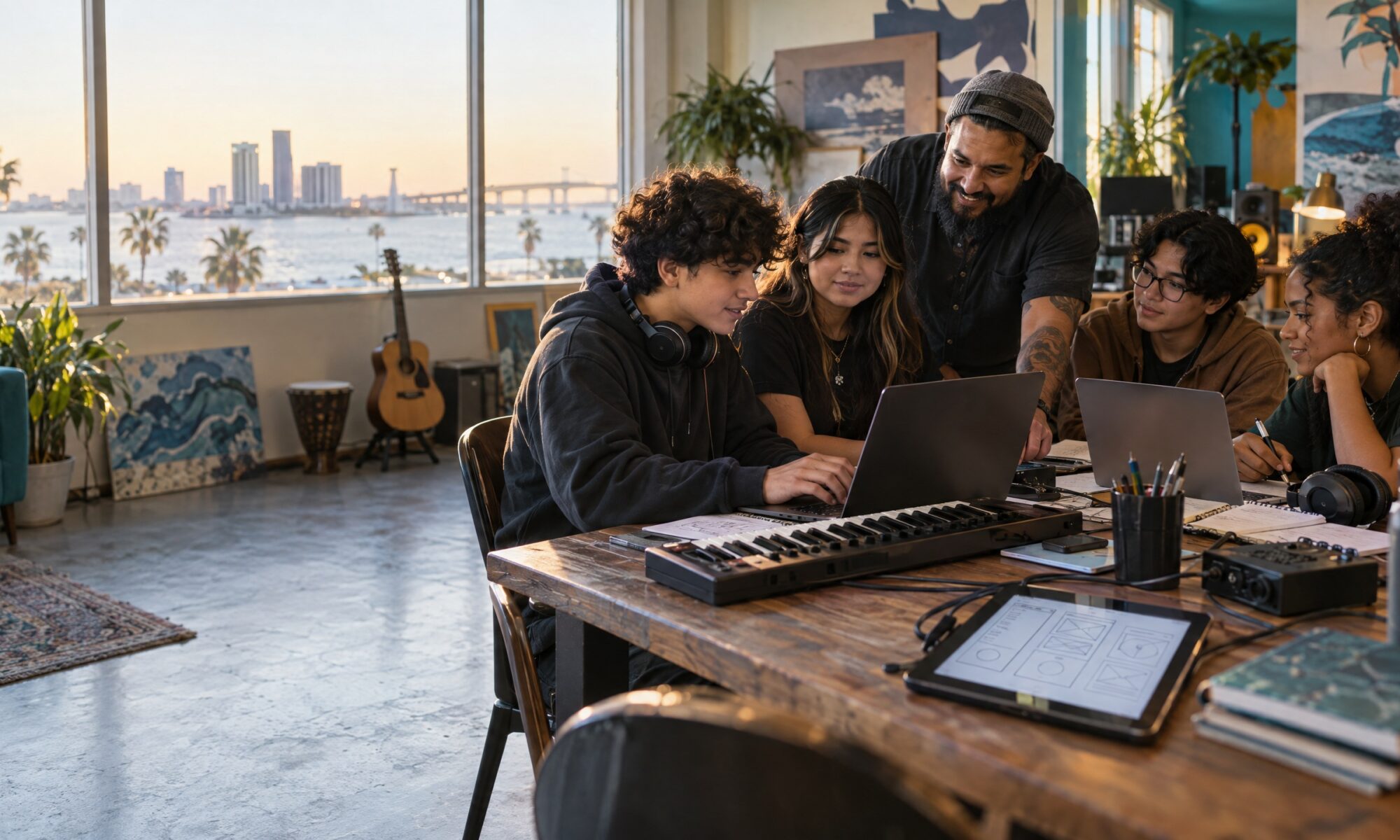
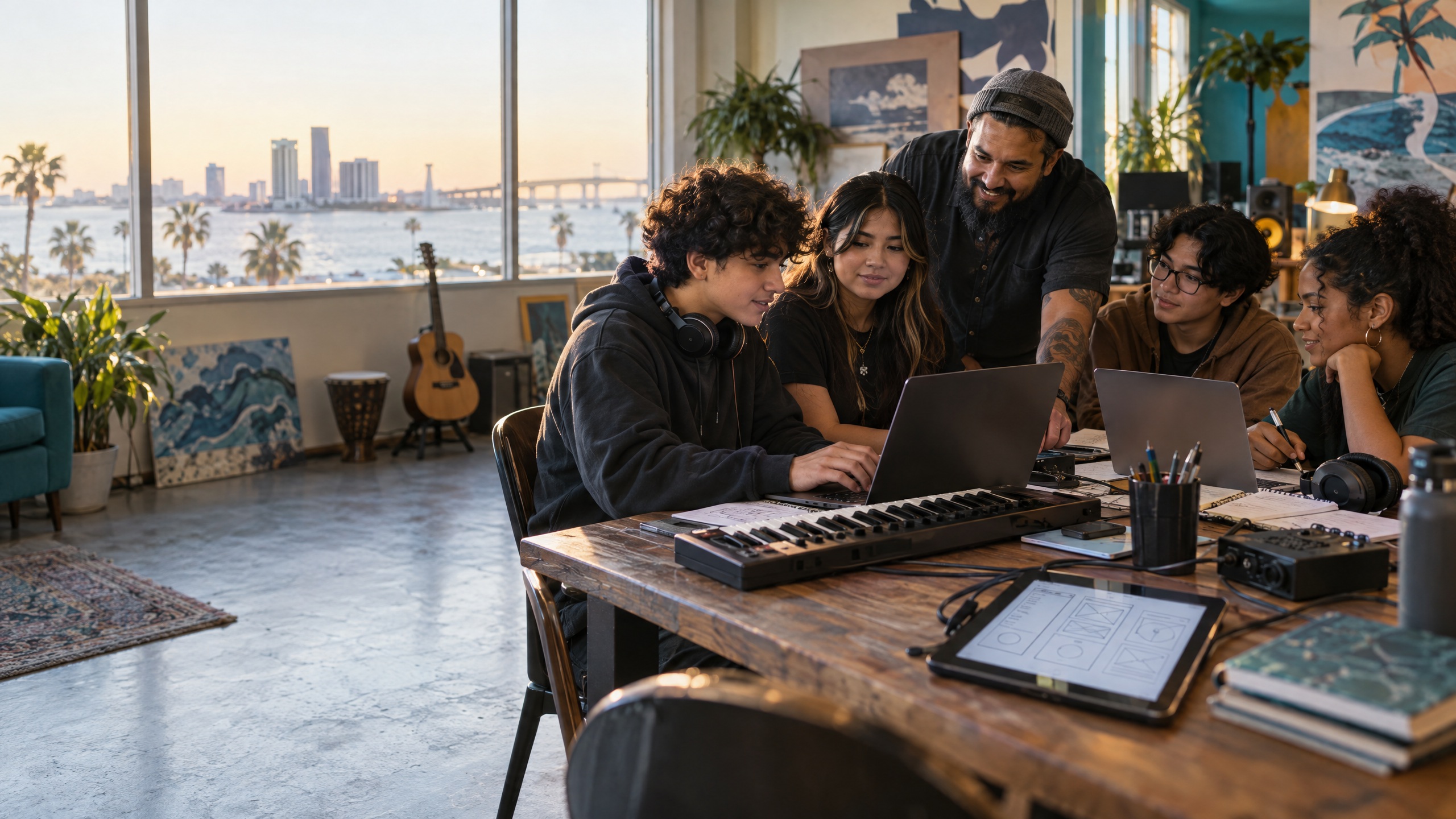
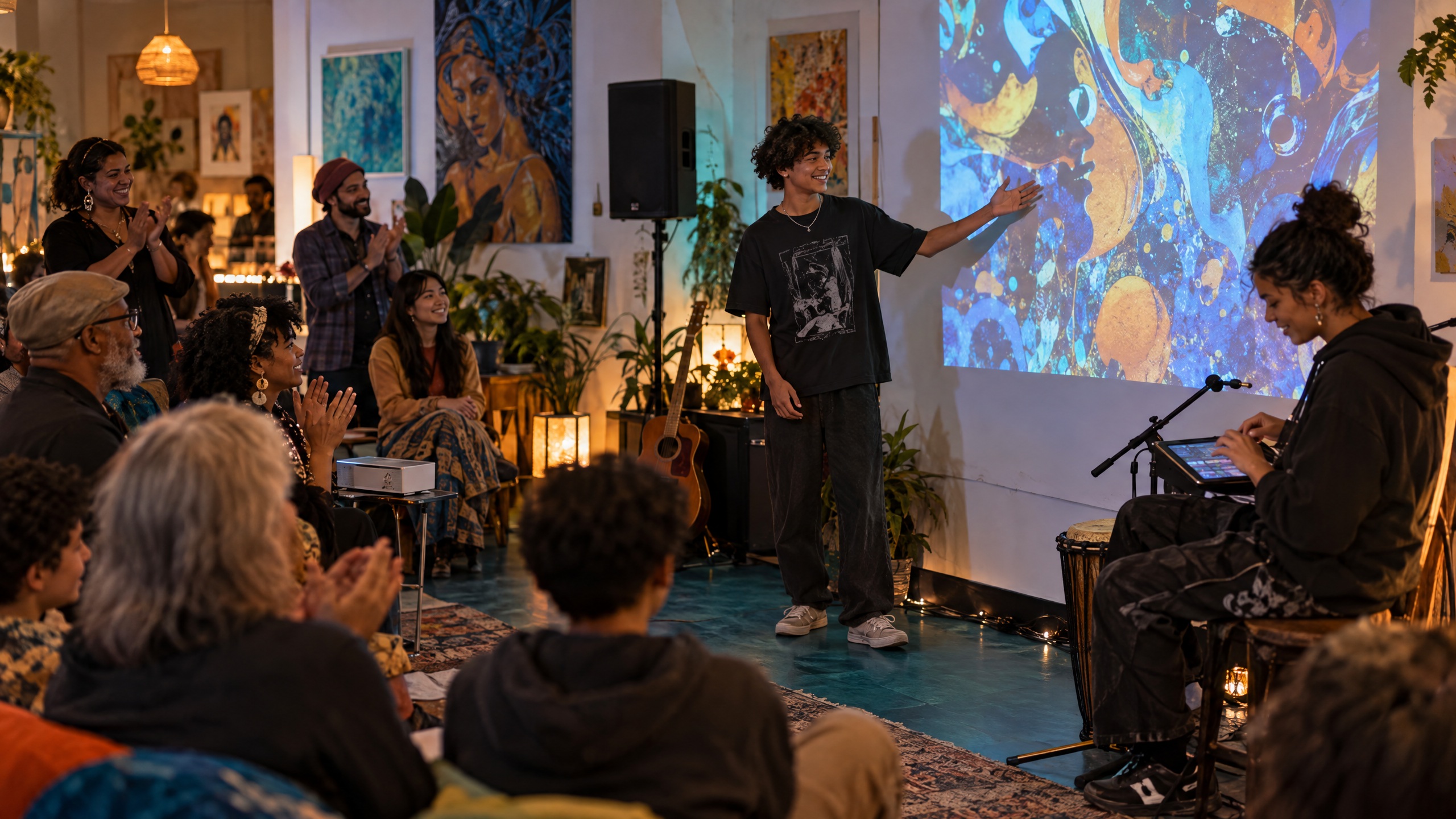
Creative technology is most powerful when it lives in community. Young people learn from mentors, artists learn from one another, and families see new possibilities when they can watch local talent grow.
This is part of the future vision for WE CREATE, a Community Creative Hub that will bring artists, youth, mentors, entrepreneurs, and community partners together around shared learning and creative opportunity. It can be a place where someone comes in with a question, a song, a sketch, or an idea and meets people who help them take the next step.
Creative learning becomes stronger when a community gathers around it.
A community hub should not ask young people to leave their interests at the door. It should welcome the music, stories, inventions, designs, and questions they already carry with them. It should help them connect those interests to practical skills, supportive relationships, and real opportunities.
Corpus Christi has young people with ideas worth investing in. Creative technology belongs in youth development because it gives those ideas a way forward. It helps young people make, learn, collaborate, and see themselves as people who can shape their own future.
To learn more about Raps & Apps programs, partnership opportunities, or the vision for WE CREATE, visit rapsandapps.org.