Corpus Christi has stories you can hear in its music. In Season 2 of The Golden Mic, we’re going deeper into those stories, working with local artists to turn what they want to say into original songs and production that brings their vision to life.
We’re excited about this next chapter. The season will be more thematic and narrative-driven, with a closer connection between the person behind the song, the meaning of the music, and the creative choices that shape its sound.
We want listeners to discover more than a new artist’s name. We want them to hear something that stays with them and recognize that meaningful work is being made right here in Corpus Christi.
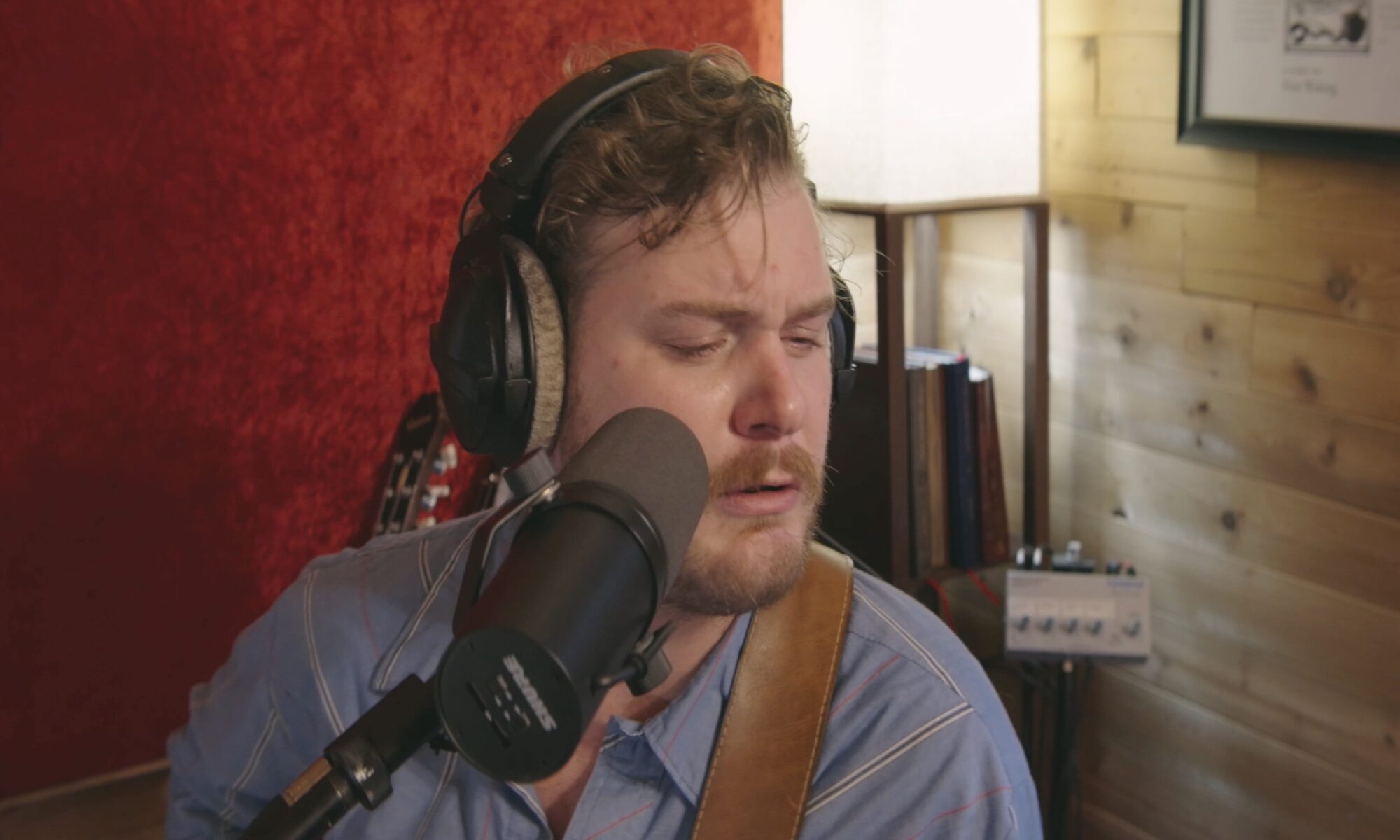
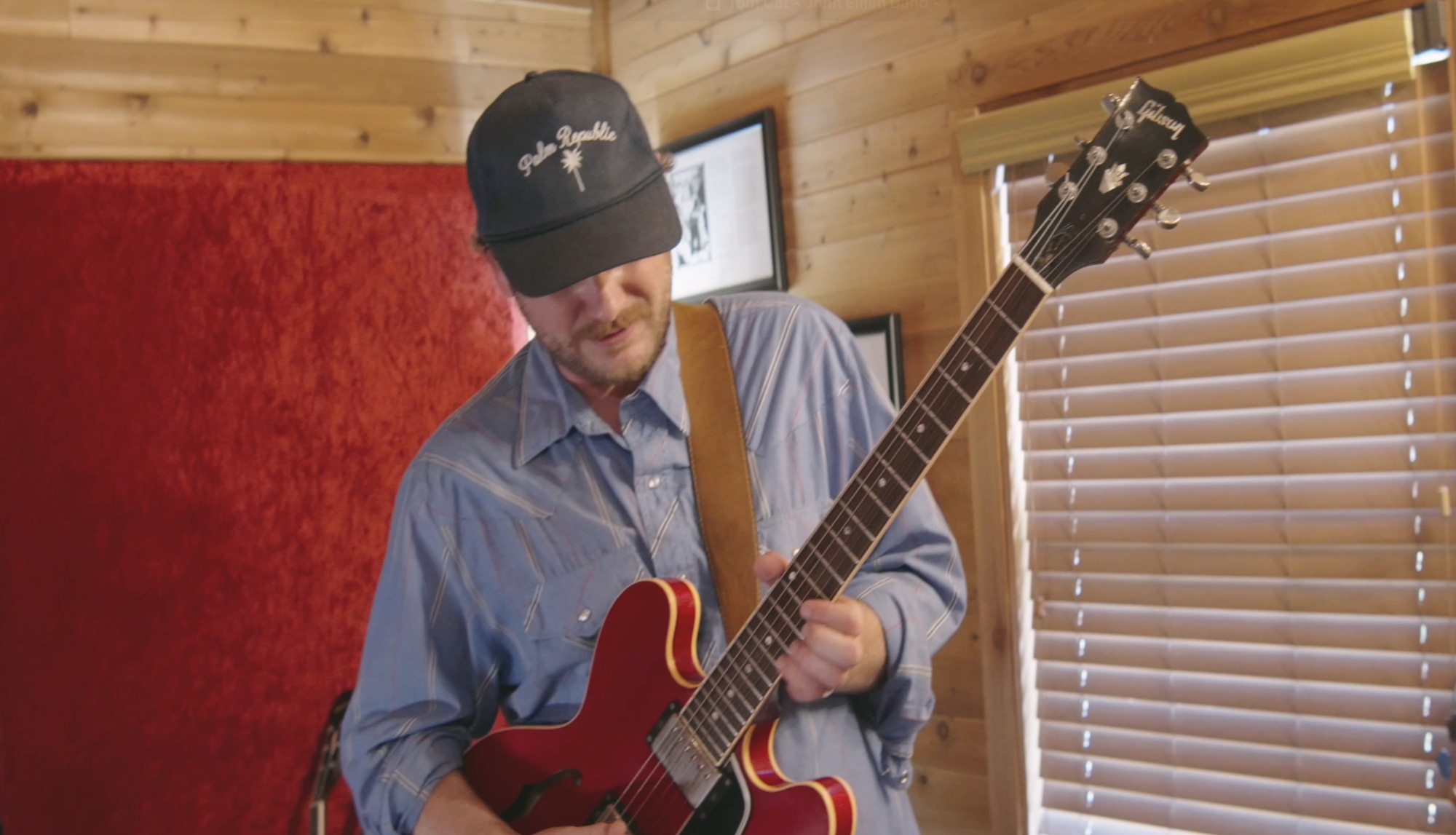
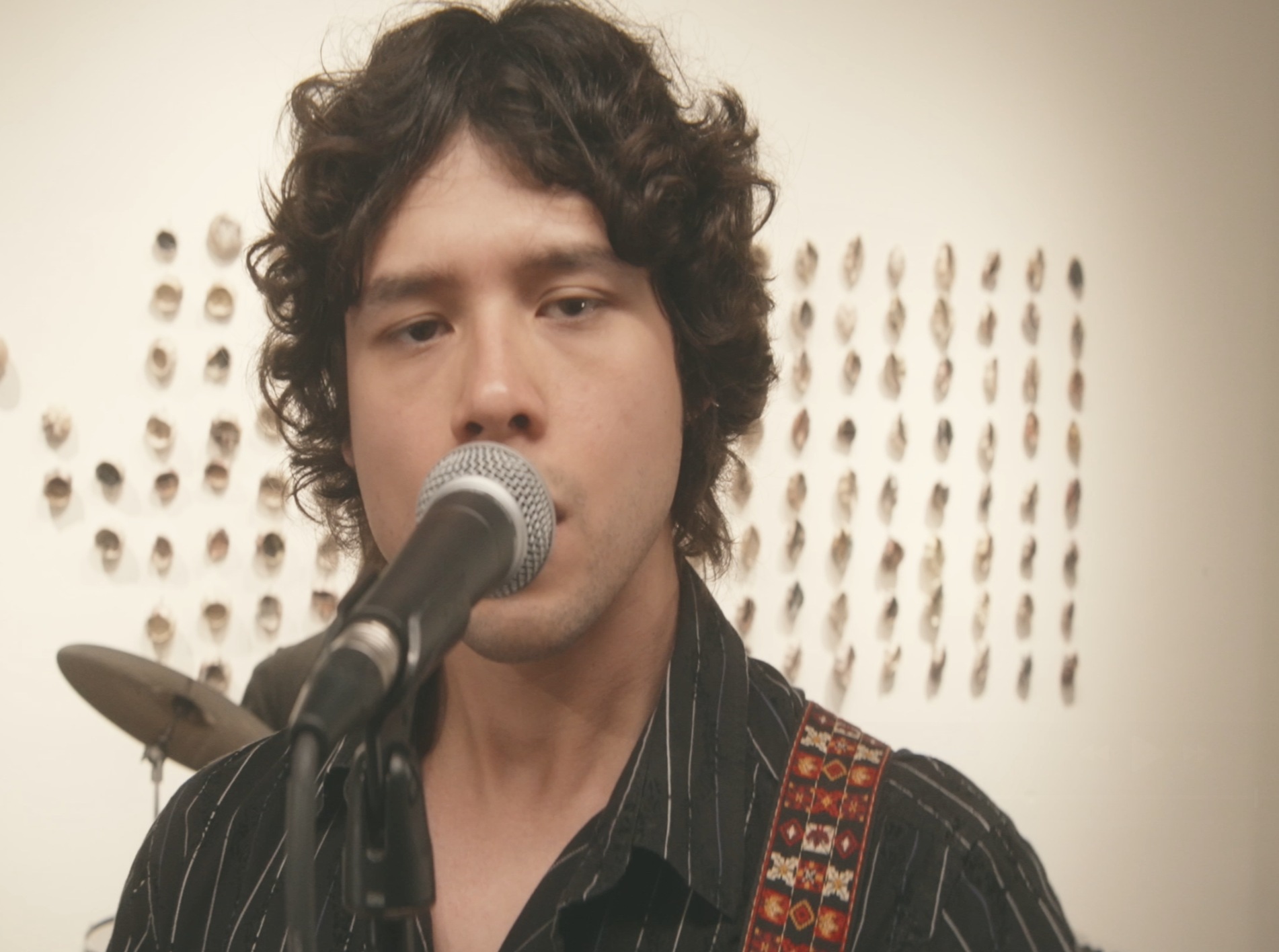
A musician from John Elijah Band. Photographs throughout this article show existing Golden Mic work, not a Season 2 lineup.
What having a team can mean
One of the clearest explanations of why this work matters comes from our published Season 1 feature on Ryan Garza. Reflecting on The Golden Mic, Ryan said, “I don’t have the team… this gives me that.” [5]
That sentence gets to the heart of the project. An artist can have ideas, experience, and a sound they want to pursue while still needing people and resources to help bring the work forward. Talent and access to production are not the same thing.
Ryan’s feature describes a curiosity about music that began with recording songs from the radio onto a cassette player and developed into experimentation with live percussion, loops, and improvisation. Those details give a listener a way into his work. We begin to understand the person making the choices, not only the sound those choices produce. [5]
Season 1 featured 15 artists through interviews, studio-produced songs, and professionally recorded videos. Support for that season included a $20,000 grant from the Coastal Bend Community Foundation and support from the Texas Commission on the Arts. [1] KIII’s reporting described how the program covered recording and video production costs, helping remove a barrier and providing material artists could use to introduce their work to venues. [2]
The interview introduces the person. The recording gives the music room to take shape. The video offers another way to encounter the performance. Together, they give artists something they can share after a session ends.
That is the foundation we want to keep building on: listening to artists, taking their work seriously, and providing practical support around the music.
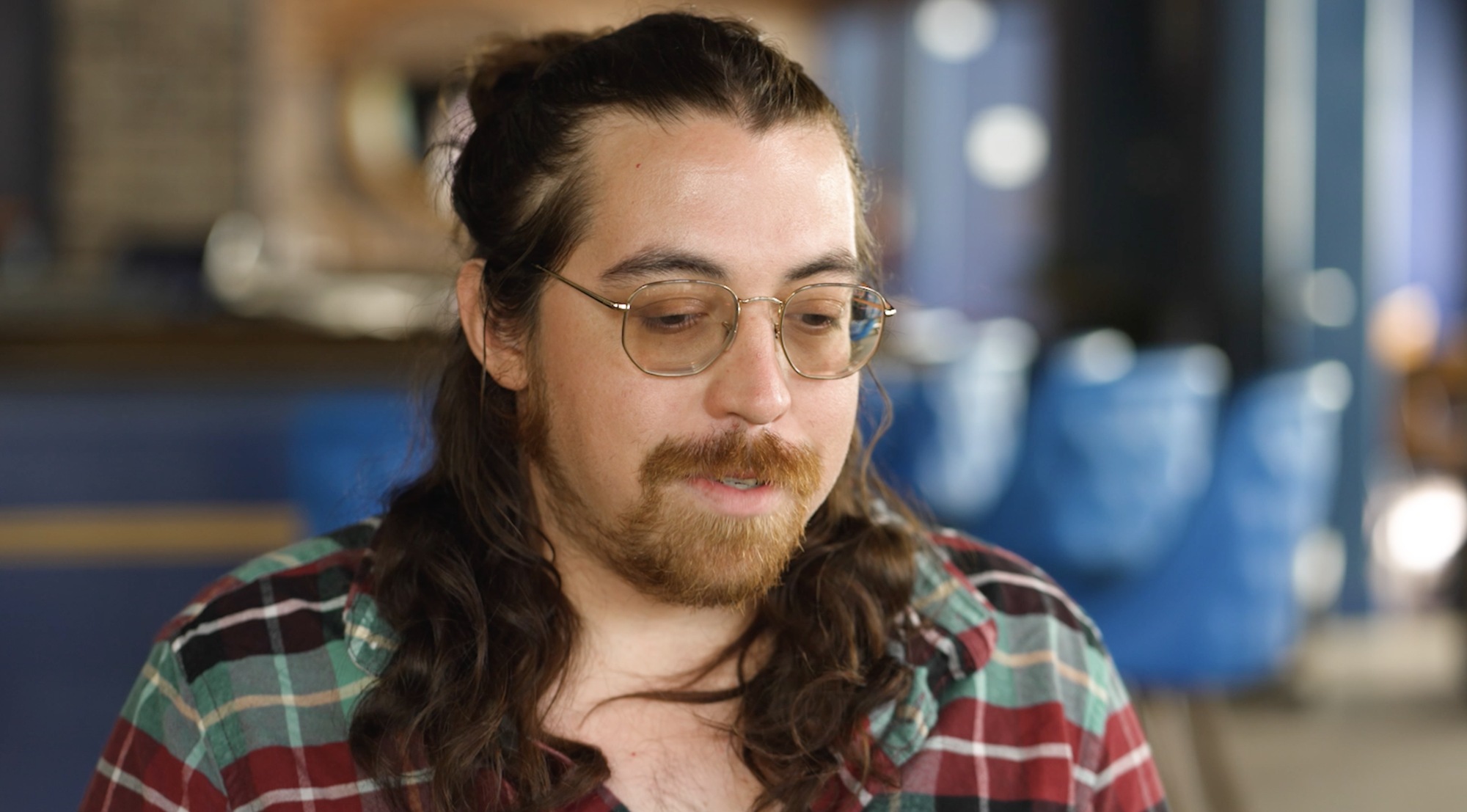
Ryan Garza during a Golden Mic interview.
Letting the story shape what we hear
“Thematic and narrative-driven” should mean something to someone pressing play. For Season 2, we want the story behind the music to help a listener understand why a song matters, then hear that meaning carried through the performance and production.
The starting point is a conversation. What is the artist trying to express? Is there a lyric they keep returning to? Does the song hold a feeling they find difficult to explain any other way?
Those questions can reveal what deserves attention without requiring every artist to tell the same kind of story. Some songs are rooted in a specific experience. Others communicate through atmosphere, rhythm, or the energy between musicians. The approach should make room for that range.
Musical choices can deepen the connection. A sparse arrangement might leave room for a lyric that needs to be heard plainly. A repeating rhythm can create tension or steadiness. A close vocal can feel intimate, while a fuller sound can give a moment room to open up.
These are possibilities for serving a song, not a formula for the season. Sometimes the right choice is to leave something unresolved. An artist’s story can offer context without telling the audience exactly how to feel.
That is what excites us about connecting the conversation, the song, and the production more closely. We can introduce an idea through an artist’s own words, then let the music do something words alone cannot. We want the artist to recognize their voice in the result and the listener to have a reason to return to it.
Discovering the music next door
An artist’s story can be an entry point for someone who would otherwise pass over a sound or genre. You might recognize an experience before you recognize a musical style. Hearing how someone works can make you curious enough to listen differently.
That possibility feels especially meaningful close to home. A song can give you a reason to learn a local artist’s name, share their music, or look for an opportunity to hear them live. A person you had never heard of becomes someone whose work you want to follow.
We want The Golden Mic to encourage that kind of attention. The hometown connection can begin the encounter, but the music deserves a real hearing. A distinctive voice, an unexpected rhythm, or a line that stays with you should be able to stand on its own.
For someone experimenting with music, hearing a creator from their own area talk seriously about the work can also make a creative future easier to imagine. For someone who has lost touch with the local scene, a feature can offer a way back into it.
A stronger connection between artists and listeners begins with those individual moments of discovery. They give people reasons to participate, rather than simply agree that local music deserves support.
Why these stories matter to the city
Corpus Christi became a Music Friendly Texas Certified Community in 2023. The state announcement emphasized support for musicians, artistic expression, growth, and collaboration. [3] The Golden Mic offers one practical way to contribute to those goals by helping original music become something people can encounter and share.
A music scene also tells people something about the place where it develops. Artists bring their own experiences of family, neighborhood, heritage, and everyday life into the work. Recording those voices gives residents, and people hearing about Corpus Christi from elsewhere, a more personal way to understand the city.
The skills around the artist matter, too. Recording, filming, editing, and presenting music require people who know how to serve the work. Recognizing those contributions gives us a fuller picture of a creative community, including the professionals who help a performance reach someone beyond the room.
There is lasting value in documenting the scene while it is being made. A recording preserves the sound itself. An interview captures how an artist understood their work at a particular moment. Together, they can give future listeners a more detailed picture than a list of names or events.
That record does not need to tell one definitive story of Corpus Christi. Its value can come from the differences between musicians and the ways they choose to express themselves. A more narrative-driven approach should make those differences easier to hear.
We want artists to see this city as a place where their work is worth developing. Every well-supported local project can help make that possibility more visible.
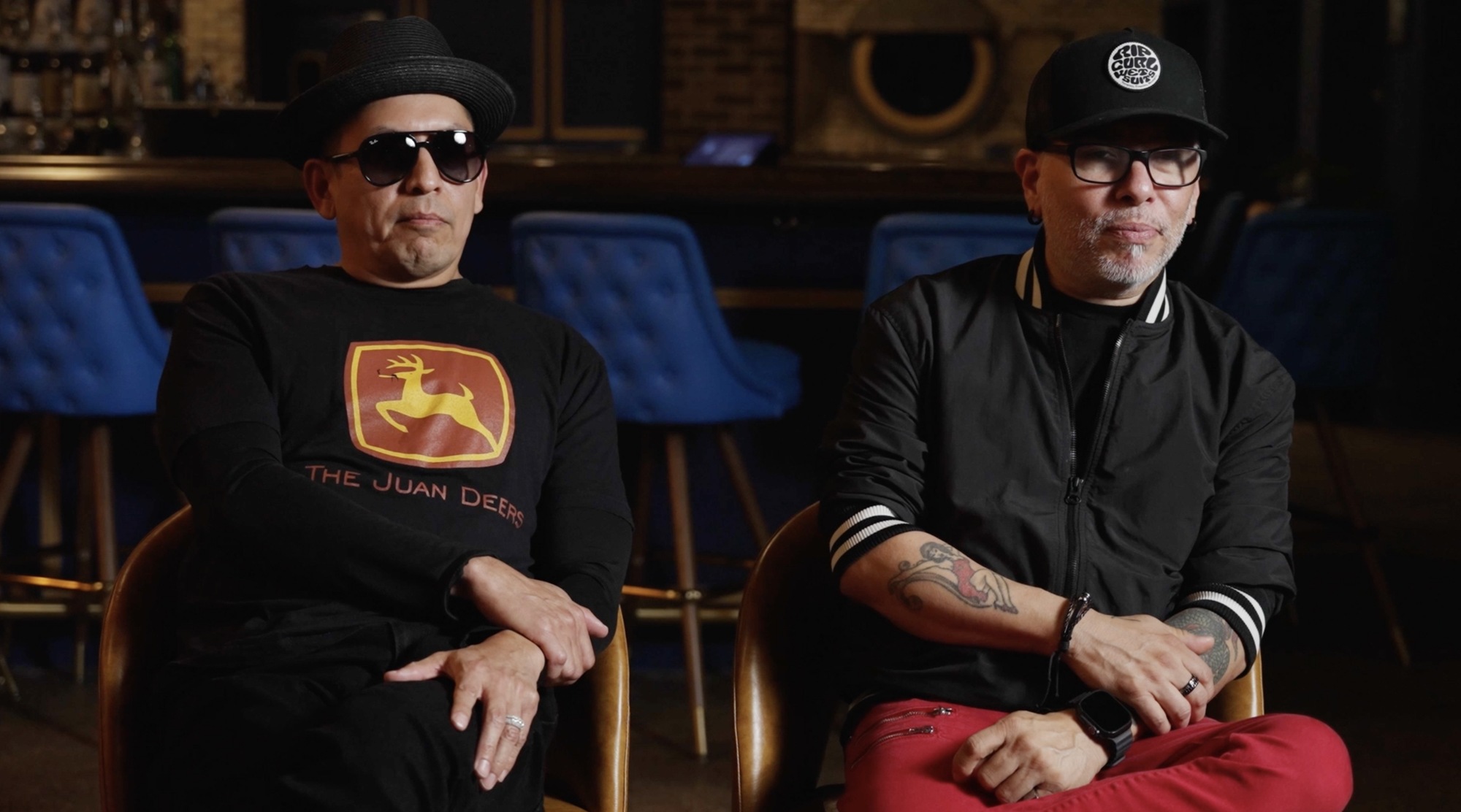
Members of Primo Le Pew during a Golden Mic interview.
A meaningful role for sponsors and community funders
For a local business, foundation, or community funder, there is something tangible to get behind: helping an artist make original work and helping people discover it.
Recording and production involve time, equipment, skill, and decisions that listeners may never see. Supporting those needs can help turn an idea into a finished song. The community can then hear and see what that support helped make possible.
For sponsors, that is a substantive connection to local culture. A business can help enable the work of people who contribute to the character of the community it serves. Artist stories and releases can also give people repeated opportunities to encounter the project, rather than only hearing about it at a single event.
The strongest version of that relationship respects the artist’s independence. A supporter can stand behind local creativity while leaving the musician’s voice at the center. The value begins with helping worthwhile work exist and inviting others to pay attention to it.
For foundations and grantmakers, the connection between artist resources and public access is equally important. Production support can address a cost barrier. Making recordings, interviews, and videos available gives someone who missed a performance another way to experience the work.
That public-benefit case connects with the Texas Commission on the Arts’ stated philosophy of arts access that enhances quality of life and preservation of Texas arts and cultural heritage. [4] It explains why supporting a musician can also serve the wider community: the artist gains resources to create, and listeners gain access to local culture.
We believe the clearest account of that support starts with completed work people can hear and see, alongside artists’ accounts of the experience. It keeps the conversation grounded in the people making the music and what they are able to share.
A musician from Animal Mood in performance.
Be part of what comes next
Season 2 is a chance to keep making music with the people whose experiences are part of Corpus Christi’s story. We’re excited for the conversations that lead to songs, the creative decisions that bring those songs into focus, and the moments when a listener finds something that speaks to them.
Start with an existing Golden Mic feature. Spend time with the conversation, then give the music your attention. If something stays with you, share it with someone who might not know that artist yet. Follow them. Go hear them play. Help another person discover what is being made here.
If you represent a business, foundation, or community organization, we’d welcome a conversation about supporting the work ahead. We want to connect a shared interest in this city with practical support for its artists and access for its listeners.